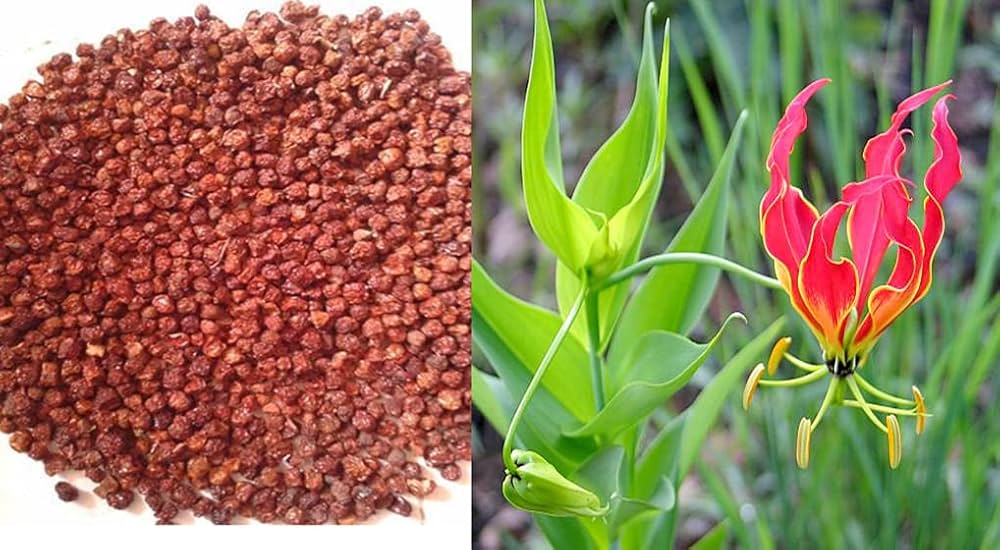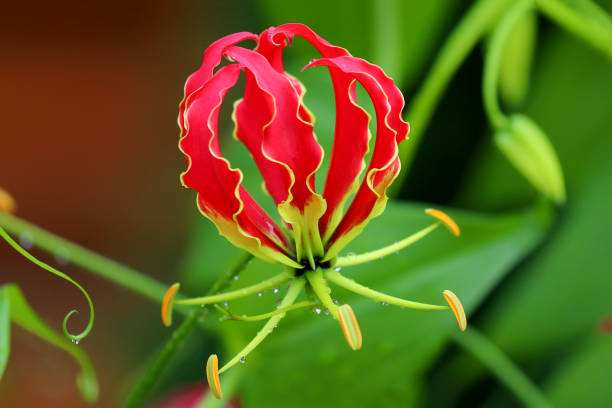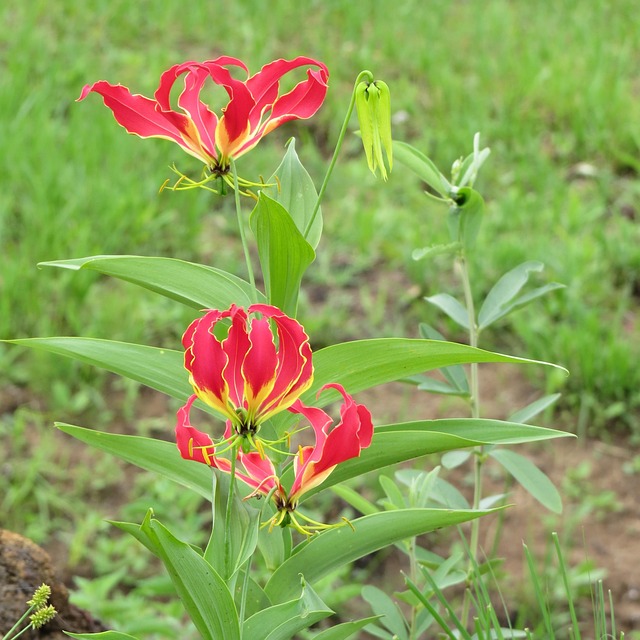
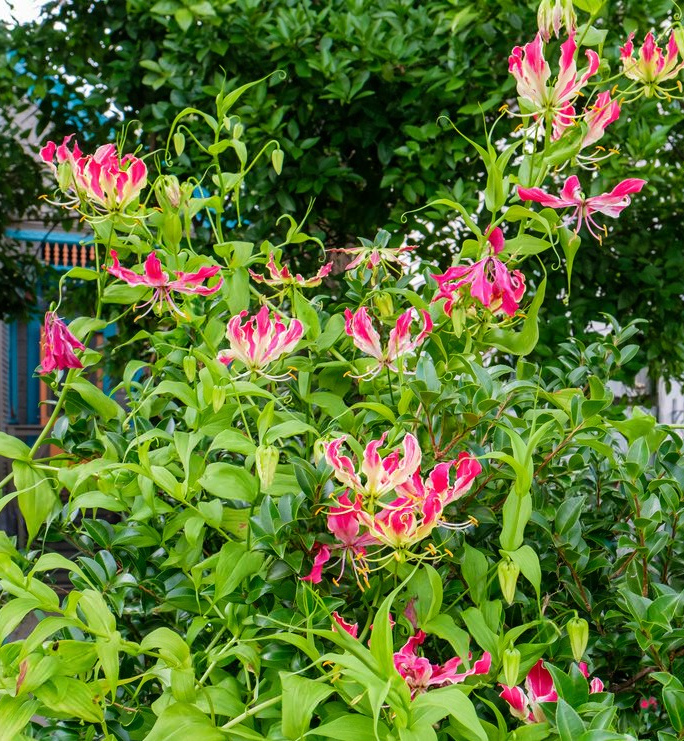
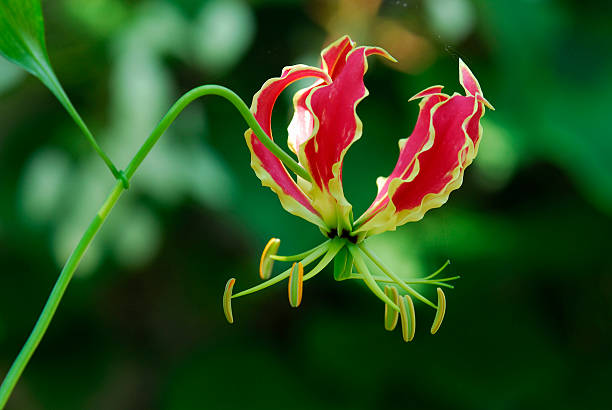
Kalihari is also known as Gloriosa superba is the only species in this genus in the autumn- crocus family (Colchicaceae). With various common names including gloriosa lily, glory lily, fire lily, flame lily, climbing lily, creeping lily, and cat’s claw or tiger’s claw, It is a perennial herb and can be grown as climber. Its underground tubers, leaves, seeds and roots are used for preparing various drugs. Drug prepared from kalihari are used for the treatment of rheumatism, anthelmintic, antipatriotic and induce polyploidy. Various tonics and syrups are made from the Kalihari plant.
The average height of plant is 3.5-6m. The leaves are 6-8inch long and are sessile. Flowers are green in color and fruits are 2 inches long. The seeds are numerous and are compressed. Africa, Asia, USA and Sri Lanka are major crop growing countries. Tamil Nadu and Karnataka are major Kalihari growing states in India..
Not a true lily (family Liliaceae), it grows naturally in a wide variety of habitats from forests to tickets to grasslands and even in sand dunes and other nutrient-poor soils. Like other members of the Colchicaceae, all parts of this plant are poisonous, containing high levels of the toxic alkaloid colchicine but especially in the tubers. It can be fatal to humans and animals if enough is ingested. In lower doses it has been used as a traditional medicine. This plant is the national flower of Zimbabwe but is considered. a noxious weed in some place such as Australia, some Pacific islands, and some parts of the US.
A plant of the lowland tropics and subtropics, where it can be found at elevations up to 600 meters, the plant has a clear preference for seasonal, monsoon climates with a pronounced dry season. The plant is not resistant to frost. Succeeds in full sun to partial shade. Prefers a moist but well-drained, humus-rich soil. Prefers an acid to neutral soil. The plant has often escaped from cultivation and has been classified as ‘Invasive’ in some areas. Plants propagated from seeds take 3 – 4 years to bloom. Plants can flower and produce seeds all year round, though mainly during the rainy season.
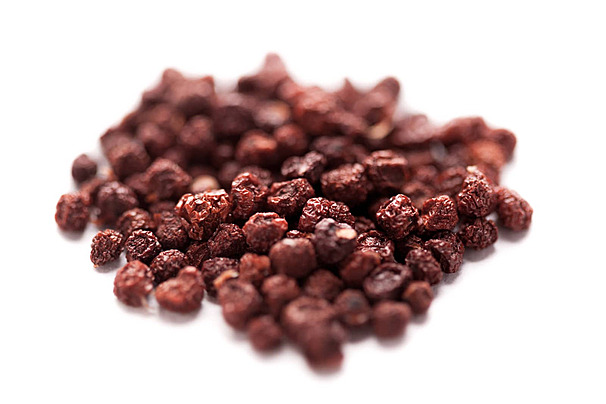
Seed contain high level of colchicines. Cornigerine, 3-demethyl-N-formyl-N-deacetyl- b-lumicolchicine, 3-demethyl-g-lumicolchicine, 3-demethyl colchicines have been isolated from plant. b-sitosterol, its glucoside, a long chain fatty acid, b and g-lumiccolchicines from fresh tubers and luteolin, colchicines, N-formyldeacetylcolchicines and glucosides of 3-demethylcolchicine have been isolated from flowers.
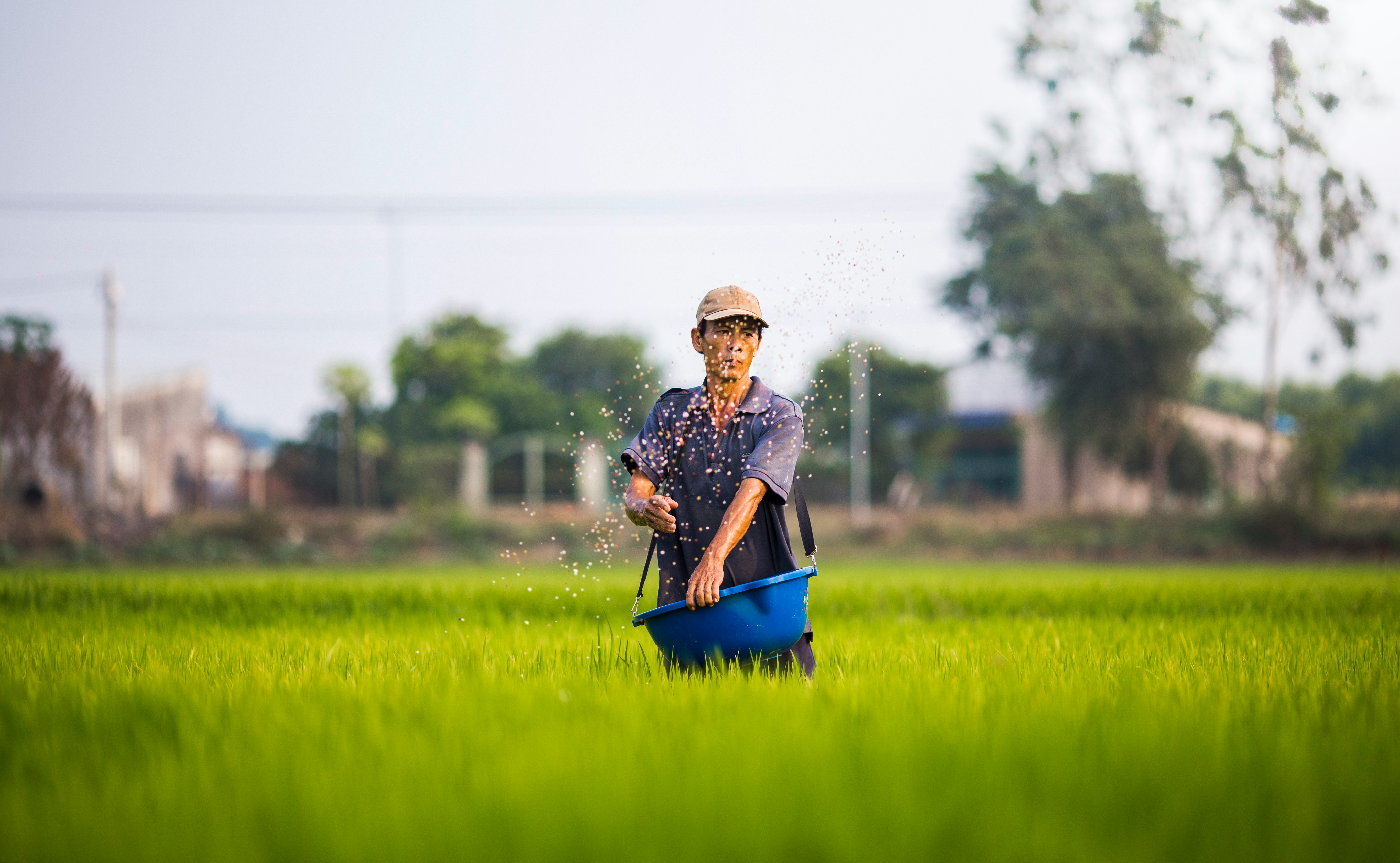
The medicinal plants have to be grown without chemical fertilizers and use of pesticides. Supplementing with organic manures and fertilizers like- Vermicompost- Which provide nutrition and earthworms to land, Neem Cake- It is organic insecticide, which is helpful to eradicate all soil borne insects, Gypsum- It acts as a conditioner to the soil which results in soil aeration and Trichoderma- This is fungicide which is very useful to destroy all soil borne harmful fungus. These all are beneficial in getting a good yield of the crop. To prevent diseases, bio-pesticides could be prepared (either single or mixture) from Neem (kernel, seeds & leaves), Chitrakmool, Dhatura, Cow’s urine etc.
Seed contain high level of colchicines. Cornigerine, 3-demethyl-N-formyl-N-deacetyl- b-lumicolchicine, 3-demethyl-g-lumicolchicine, 3-demethyl colchicines have been isolated from plant. b-sitosterol, its glucoside, a long chain fatty acid, b and g-lumiccolchicines from fresh tubers and luteolin, colchicines, N-formyldeacetylcolchicines and glucosides of 3-demethylcolchicine have been isolated from flowers.
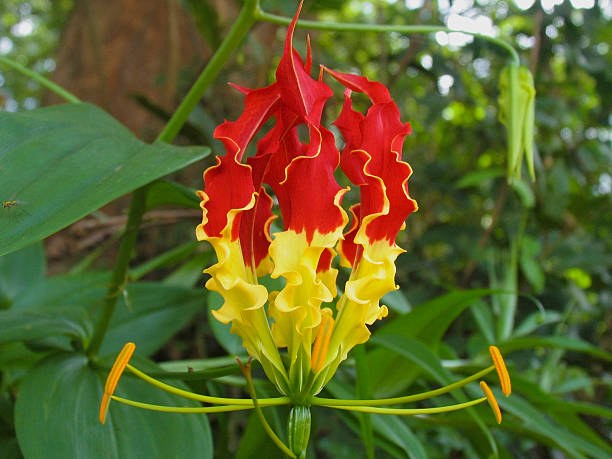
It grows well in Black Soil, Red Sandy Loam soil, having pH 5.5 to 7 with good drainage. Crop requires hot and humid climate. It can be grown in tropical and sub-tropical regions upto 2400m.
For Kalihari plantation, it requires well pulverize and leveled soil. To bring soil to fine tilth ploughing and harrowing should be done. Proper drainage systems are made to avoid stagnation of water. Transplantation of Kalihari is done on convenient sizes subplots if the germination is done by seeds
Beacuse it is a rain fed crop, it does not require too much irrigation but periodic irrigations are done for good crop growth. Different irrigations are done at different stages of plant. In dry days of seedling, irrigation is done at 6 days of interval and then irrigation is not done at the time of harvesting and then again irrigation is done 2 times during fruit ripening. Do not overwater plants as it causes disease like premature falling of fruits.
Plants starts harvesting in about 120-150 days after planting. Harvesting of capsules is done when it turns from light green to dark green color. Harvesting of tubers is done after 5-6 years of transplanting. For seed extraction immature capsules are plucked and the prevailing underground tuber are taken.
After harvesting, cleaning and washing of tubers is done. Then tubers, seeds and pericarp are air dried in shades for few days. Packing is done in air tight bags for less spoilage and to increase shelf life. From tubers, plant processing products like tonics and medicines for various diseases are made after processing.
In Indian conditions June-July (Mari season) is best time to show, maintaining 60 × 45 cm. spacing between plant to plant and row to row.
The documentation of all the activities starting from cultivation to post-harvest processing should be in the continuation and maintained properly. Records should be kept for each activity of cultivation such as sowing, weeding, irrigation, harvesting, and of post-harvest processing after harvest to sorting, drying, grading, packing and storage with complete details. The activity diary will lead to a complete history and ensure traceability of the final product.
Tubers are planted in the bed of size 1 feet width during rainy season, maintaining 60 x 45 cm. spacing. Plant requies support as it is climber. Approximately 15,000 tubers are required as planting material for one acre of land. Taking mortality of 7% (1000 plants extra) plants, The total tubers required for 1 acre land is 16,000.
Do periodic weeding and hoeing to keep nursery and field weed free. At initial times it requires frequent weedings. Manual weeding is good for plant growth. Otherwise 2-3 weedings are required in all. Chemical weeding should not be done.
| SR NO | PARTICULARS | WORK | 1st Year | 2nd Year | 3rd Year | 4th Year | 5th Year |
|---|---|---|---|---|---|---|---|
| 1 | Land Preparation | Ploughing, Leveling etc | 10,000 | -- | -- | -- | -- |
| 2 | Organic Fertilizers | Manures and Fertilizer | 20,000 | -- | -- | -- | -- |
| 3 | Tubers | 16000 Tubers @ Rs.5 per tuber | 80,000 | -- | -- | -- | -- |
| 4 | Sowing | Sowing tubers in land | 5,000 | -- | -- | -- | -- |
| 5 | Weeding | Weeding and Hoeing | 2,000 | 2,000 | 2,000 | 2,000 | 2,000 |
| 6 | Electricity Bill | 10,000 | 10,000 | 10,000 | 10,000 | 10,000 | |
| 7 | Seed Harvesting | Cutting and other works | 2,000 | 2,000 | 2,000 | 2,000 | 2,000 |
| 8 | Tubers Digging | Harvesting Tubers from land | -- | -- | -- | -- | 2,000 |
| 9 | Post Harvest | Washing drying and packing | -- | -- | -- | -- | 10,000 |
| Total Expenses (5 Years) | 1,52,000/- | ||||||
| Type of Product | Year | Total Yield (5 Years) | Buy-back Rate | Total Output | ||||
|---|---|---|---|---|---|---|---|---|
| 1st Year | 2nd Year | 3rd Year | 4th Year | 5th Year | ||||
| Seeds | 100 Kg | 100 Kg | 100 Kg | 100 Kg | 100 Kg | 500 Kg | Rs. 300 | Rs. 1,50,000 |
| Seeds Cover | 50 Kg | 50 Kg | 50 Kg | 50 Kg | 50 Kg | 250 Kg | Rs. 100 | Rs.12,500 |
| Dry Tubers | -- | -- | -- | -- | 1000 Kg | 1000 Kg | Rs. 500 | Rs. 5,00,000 |
| Total Output (5 Years) | Rs.6,62,500/- | |||||||
| Total Expenses (5 Years) | Rs.1,52,000/- | |||||||
| Net Income | Rs.5,10,500/- | |||||||
| Net Income (Each Year) | Rs. 1,02,100/- | |||||||
Organic Farmer Producer Association of India
Sunrise Organic Park, Inside Panjab Toll Chennai, Tank Road, Near Rajasthan - 302032
E-mail : •atul.hcms@gmail.com, •info@iiaasd.com, •organic.naturaljpr@gmail.com,
Copyright ©2025 All rights reserved SAK Products